
We started Kona with a feeling we could not shake. The more homes we saw, the more familiar they began to look. Different people were living different lives, yet the objects around them often came from the same catalogues. The same furniture. The same tableware. The same idea of what a good home was supposed to look like.
We understand why those choices are easy. They are available, reliable and made to work almost anywhere. But when every object is designed to suit everyone, a home can slowly stop saying anything about the people inside it. We wanted to make everyday objects feel personal again.
We are not here to fill homes with more things. We want to make useful objects that earn the space they occupy. An object should help with something real. It should bring order to a surface, move easily through the day and feel good each time it is used. It should also have enough character to be remembered.
We design for homes as they are lived in, not as they are photographed. A bedside changes between night and morning. A table moves between meals, work and conversation. An entrance collects the things we carry in and out. A bathroom counter begins one way and looks completely different by the end of the morning. We want our objects to work with that movement rather than demand a perfectly arranged room.
This is also how we arrived at the name Kona. Kona may mean a corner, but we have never thought of it as one fixed place. For us, it is every part of a home that quietly holds daily life and rarely receives the same attention as the room around it. We began with these places because they are often where our most familiar routines happen.
When we talk about character, we do not mean decoration added at the end. We mean the shape of an object, the way its edge meets your hand, the colour it brings into a room and the details you notice after living with it. We want you to notice a Kona object when it enters your home, then keep finding reasons to use it long after that first moment has passed.
We make in small batches because it gives us the freedom to keep looking, learning and changing. We can refine a form, improve how it works and introduce something new without building an endless catalogue. We would rather make a small number of objects with a clear reason to exist than make more simply because we can.
Once we had a clearer idea of what we wanted to bring into homes, we had to ask what making those objects would leave behind.
In early June 2026, we joined a cleanup at Prabhadevi Beach. At the end of the drive, we watched the cleanup staff place the collected waste in one corner. They had done the work in front of them, but the material still had nowhere meaningful to go. The beach looked cleaner. The waste had not disappeared. It had only moved.
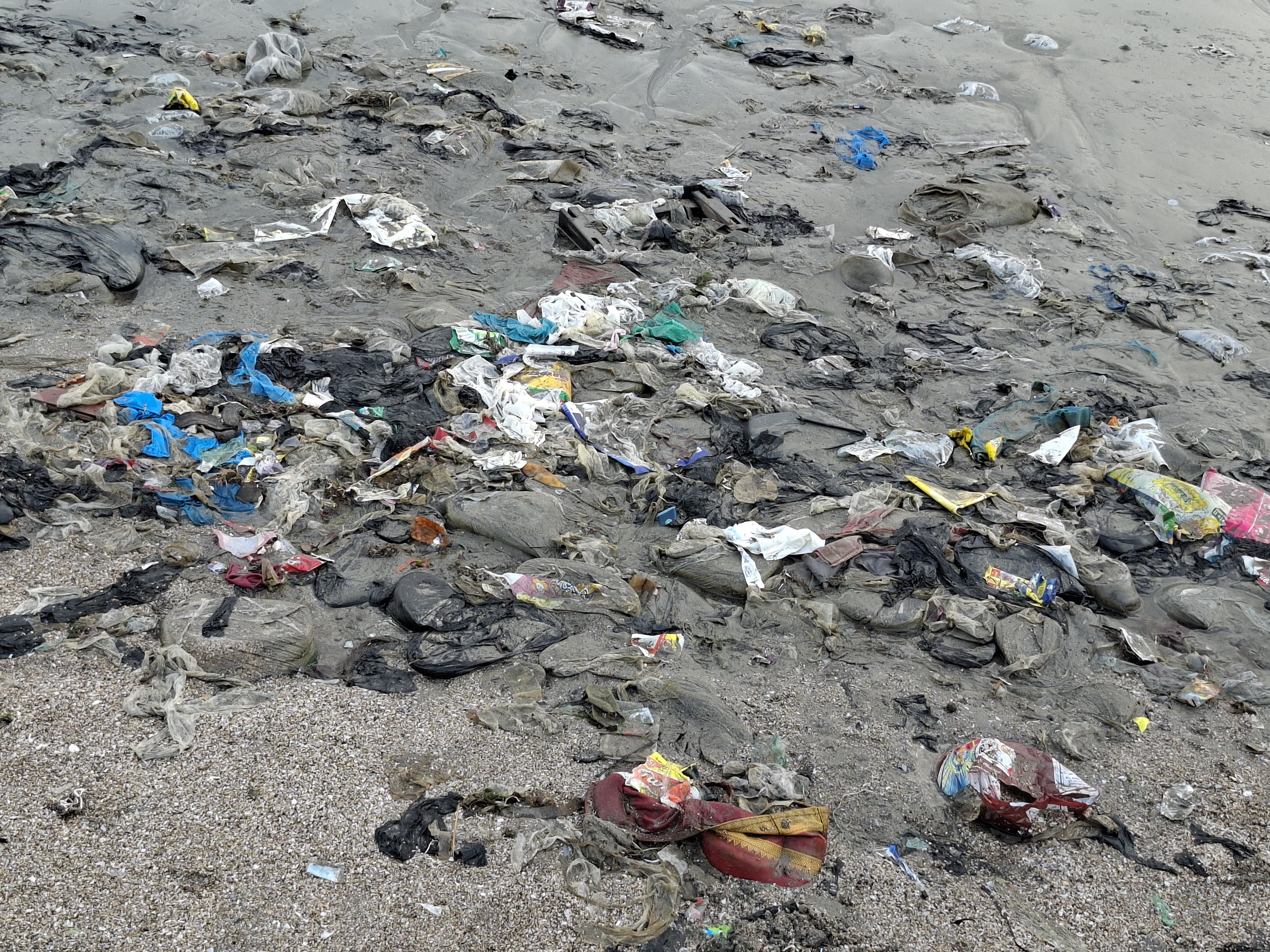
We left Prabhadevi with more questions than answers. We began reading about how different materials are collected, sorted and recycled, what those processes demand and how long common materials can remain in a dumping ground. We learned quickly that there is no neat answer that applies to everything. That experience did not give us the reason to start Kona. It gave us a responsibility in how we would build it.
We still begin with the object. We ask what it needs to do, how it should feel in use and whether it has enough character to stay in a home for years. Then we ask whether an existing material can meet the same standard. Design and the pleasure of using something come first. Responsibility changes how we make, what we test and what we are willing to claim. We will explain those choices plainly rather than hide them behind broad green language.
Kona is our attempt to make everyday objects feel personal again. Objects for real homes, changing rooms and familiar routines. Objects that are useful enough to earn their place, distinct enough to feel like yours and honest about what went into making them. That is the standard we are building toward, one considered object at a time.
See the collection